

Bills of Exchange-Meaning,Types,Features (Commerce Achiever)
A bill of exchange is a written order used primarily in international trade that binds one party to pay a fixed sum of money to another party on demand or at a predetermined date. Bills of exchange are similar to checks and promissory notes—they can be drawn by individuals or banks and are generally transferable by endorsements.

KEY POINTS
- A bill of exchange is a written order binding one party to pay a fixed sum of money to another party on demand or at some point in the future.
- A bill of exchange often includes three parties—the drawee is the party that pays the sum, the payee receives that sum, and the drawer is the one that obliges the drawee to pay the payee.
- A bill of exchange is used in international trade to help importers and exporters fulfill transactions.
- While a bill of exchange is not a contract itself, the involved parties can use it to specify the terms of a transaction, such as the credit terms and the rate of accrued interest.
How a Bill of Exchange Works
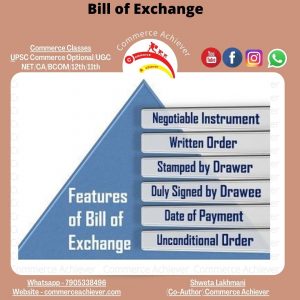
A bill of exchange transaction can involve up to three parties. The drawee is the party that pays the sum specified by the bill of exchange. The payee is the one who receives that sum. The drawer is the party that obliges the drawee to pay the payee. The drawer and the payee are the same entity unless the drawer transfers the bill of exchange to a third-party payee.
Unlike a check, however, a bill of exchange is a written document outlining a debtor’s indebtedness to a creditor. It’s frequently used in international trade to pay for goods or services. While a bill of exchange is not a contract itself, the involved parties can use it to fulfill the terms of a contract. It can specify that payment is due on demand or at a specified future date. It’s often extended with credit terms, such as 90 days. As well, a bill of exchange must be accepted by the drawee to be valid.
Bills of exchange are useful in international trade because they help buyers and sellers deal with the risks associated with exchange rate fluctuations and differences in legal jurisdictions.
Types of Bills of Exchange
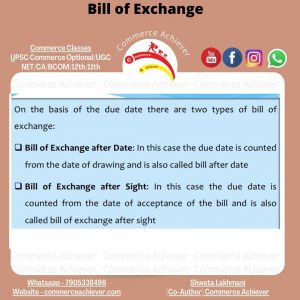
If a bill of exchange is issued by a bank, it can be referred to as a bank draft. The issuing bank guarantees payment on the transaction. If bills of exchange are issued by individuals, they can be referred to as trade drafts.
Bill of Exchange vs. Promissory Note
The difference between a promissory note and a bills of exchange is that the latter is transferable and can bind one party to pay a third party that was not involved in its creation. Banknotes are common forms of promissory notes. A bill of exchange is issued by the creditor and orders a debtor to pay a particular amount within a given period of time. The promissory note, on the other hand, is issued by the debtor and is a promise to pay a particular amount of money in a given period.

You may also like


