UPSC Commerce Optional – Online Video Classes include videos on every topic as per UPSC Commerce Optional Syllabus, News Updates, Previous Year Topics and Numerical. Video Classes are recorded but updated with News or any changes in the syllabus, which …
Individuals can be resident but not ordinarily resident in India. A not-ordinarily resident person is one who satisfies any one of the conditions specified under section 6(6). (i) If such individual has been non-resident in India in any 9 out …
(a) The term “stay in India” includes stay in the territorial waters of India (i.e. 12 nautical miles into the sea from the Indian coastline). Even the stay in a ship or boat moored in the territorial waters of India …
Individuals will be treated as residents only if the period of their stay during the relevant previous year amounts to 182 days. In other words even if such persons were in India for 365 days during the 4 preceding years …
Under section 6(1), an individual is said to be resident in India in any previous year, if he satisfies any one of the following conditions: (i) He has been in India during the previous year for a total period of …
The incidence of tax on any assessee depends upon his residential status under the Act. For all purposes of income-tax, taxpayers are classified into three broad categories on the basis of their residential status viz. (1) Resident and ordinarily resident …
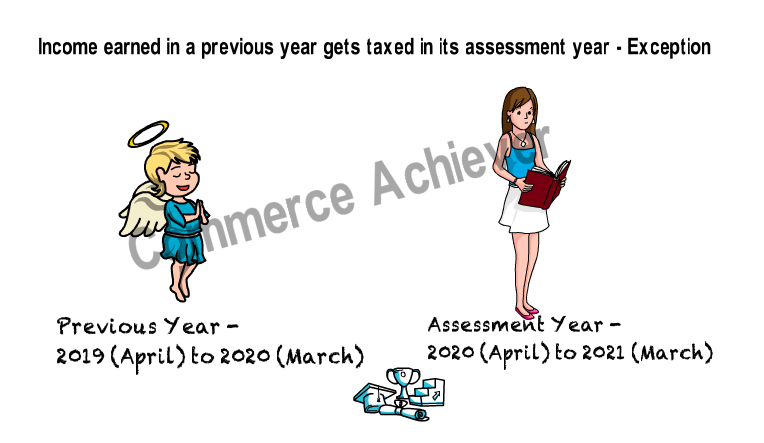
Normally, income earned in a previous year gets taxed in its assessment year. However, in certain cases, where income is not disclosed by the taxpayer but is detected by the Income Tax department and the source for which is not …
Assessment year The term has been defined under section 2(9). This means a period of 12 months commencing on 1st April every year. The year in which income is earned in the previous year and such income is taxable in …
The most important resource of an organization is it’s people. Barnard (1938) stressed that motivating participants to continue to make contributions is one of the most important activities of management. Simon built Barnard’s observations into the Barnard-Simon theory of organizational …